

Buying Silver When Prices Are Low: Why a Price Drop Could Be a Smart Investment Opportunity

When it comes to investing in precious metals, timing can make a significant difference to the price you pay and the potential returns you achieve. While many investors become interested in silver when prices are rising, experienced buyers often pay just as much attention when the market is falling.
Buying silver when prices are low can create an opportunity to build a precious metals investment at a more attractive entry price. Rather than chasing rising prices, investors can use market downturns to assess whether silver offers value over the longer term.
Silver has a unique position in the precious metals market. It is both a recognised investment asset and an important industrial material used in electronics, vehicles, solar technology and electrical infrastructure. This combination gives silver exposure to several different sources of demand.
However, a falling silver price does not automatically mean that silver is undervalued. Prices can continue to decline, market conditions can change, and the costs of purchasing physical bullion must be considered.
In this guide, we explore why silver prices fall, why lower prices may represent a buying opportunity, how to assess whether silver is attractively priced, and the strategies investors can use when purchasing silver.
Why Do Investors Buy Silver?
Silver has been valued for thousands of years as a precious metal, a medium of exchange and a material for jewellery and decorative objects. Today, it remains a popular choice among investors looking for tangible assets or broader investment diversification.
One of silver's most interesting characteristics is its dual role in the global economy.
Unlike an asset whose demand is driven mainly by investment sentiment, silver has substantial industrial applications. Its excellent electrical conductivity, thermal conductivity and other physical properties make it valuable in modern technology and manufacturing.
Silver is used in:
Electronics, electrical contacts and components.
Solar photovoltaic technology.
Vehicles, including electric and hybrid models.
Electrical grids and energy infrastructure.
Medical and specialist industrial applications.
Jewellery, silverware, coins and investment bars.
This range of uses means that changes in industrial activity, investment demand and precious metal sentiment can all influence the silver price.
For investors, this creates both opportunities and risks. Growing industrial demand can support silver consumption, while economic slowdowns or technological changes can put pressure on prices.
Why Buying Silver When Prices Are Low Can Be an Opportunity
An investment opportunity often begins when the price of an asset moves below the level an investor believes is justified by its longer term prospects. When silver prices decline, buyers may be able to acquire the same quantity of metal for less money. If prices subsequently recover sufficiently to cover transaction costs, those who purchased at lower levels may benefit.
Here are seven reasons investors pay close attention to lower silver prices.
1. Lower Silver Prices Allow You to Buy More Metal for Your Money
One of the most straightforward benefits of buying silver at a lower price is purchasing power.
When prices fall, a fixed investment budget can buy more ounces of silver, assuming dealer premiums and other charges remain comparable.
The principle is simple: the lower the price per ounce, the more silver a fixed budget can purchase.
Over time, acquiring more ounces at lower prices can improve an investor's average purchase cost. However, buying more silver is only beneficial if the investment remains appropriate for the buyer and its future value justifies the overall cost.
2. Silver Has Long Term Industrial Demand Drivers
Silver is not simply an investment product stored in vaults. It also plays an important role in the technology and energy sectors. Its electrical properties make it useful in electrical components, automotive systems, electronics and infrastructure.
According to the Silver Institute's World Silver Survey 2026, global industrial silver demand totalled approximately 657.4 million ounces in 2025.
Although industrial demand declined by 3% that year, the sector continued to benefit from growth in artificial intelligence infrastructure, automotive applications and power grids. The survey also highlighted an important countertrend: solar manufacturers have been reducing the amount of silver used in their products, with some applications adopting substitute materials.
This illustrates why silver's industrial outlook must be assessed carefully. New technologies can create demand, but efficiency improvements and substitution can reduce the amount of silver needed. For longer term investors, the opportunity is not based on the assumption that industrial demand will always rise. It is based on evaluating whether future demand and available supply support the price being paid.
3. Silver Supply Can Be Slow to Respond to Changes in Demand
Another factor that attracts interest in silver is the structure of global mine production. Silver is often produced as a by-product of mining other metals, including lead, zinc, copper and gold. This means silver production does not necessarily increase quickly when the silver price rises. Mining companies may make production decisions based primarily on the economics of other metals.
Developing new mines also requires capital, regulatory approvals, infrastructure and time. According to the Silver Institute's April 2026 market assessment, global silver demand exceeded supply for the fifth consecutive year in 2025. The organisation's survey forecast another market deficit in 2026.
A market deficit means annual demand exceeds newly available supply, requiring the use of existing inventories or other sources of metal.
This can support the case for monitoring longer term silver market fundamentals.
However, a deficit does not guarantee rising prices. Above ground inventories, investor selling, recycling, financial market activity and changing expectations can all influence the price investors actually pay.
4. Silver Price Volatility Can Create Buying Opportunities
Silver is known for experiencing substantial price fluctuations. Prices can change because of shifts in investor sentiment, economic uncertainty, interest rates, currency movements and expectations about industrial activity.
During periods of market pessimism, silver may experience sharp selling even when some of its longer term demand drivers remain in place. For investors with a long term strategy, these periods may offer opportunities to examine the market without the pressure that often accompanies a strong price rally.
Imagine two investors:
Investor A buys silver only after a substantial price increase because the metal has attracted widespread attention.
Investor B has a planned budget and waits for price levels that meet their investment criteria.
Investor B may achieve a lower average acquisition price, although there is no certainty that waiting will produce a better outcome.
The important distinction is between buying because silver is cheaper and buying because silver represents good value at its current price. Those are not always the same thing.
5. Silver May Play a Role in Diversification and Purchasing Power Protection
Precious metals are sometimes purchased by investors concerned about inflation, currency weakness or financial uncertainty. Silver has a limited physical supply and cannot be created through monetary policy in the same way as a national currency.
For some investors, this makes it an attractive asset to hold alongside cash, shares, bonds and other investments.
However, silver is not a guaranteed inflation hedge.
Its price can fall during periods of inflation, especially when interest rates rise or industrial demand weakens. The price of silver can also fluctuate significantly over relatively short periods. Silver's potential contribution to a portfolio therefore comes from its different characteristics and market drivers, rather than a promise that it will preserve purchasing power in every economic environment.
Buying during lower price periods may make this exposure more affordable, but the overall allocation should remain proportionate to an investor's financial circumstances.
6. A Price Dip May Offer Better Value Than Buying During a Rally
When silver prices rise rapidly, investors can feel pressure to buy before prices climb further. This behaviour is often described as fear of missing out, or FOMO.
Unfortunately, buying primarily because an asset is becoming more expensive can result in purchases near temporary market peaks. A disciplined investor approaches the market differently. Rather than responding to headlines, they examine price history, market fundamentals, costs and their own investment objectives.
A falling silver price may provide an opportunity to purchase without the excitement of a fast moving rally. It can also provide time to research reputable bullion dealers, compare products and decide how much silver to buy. There is no guarantee that a lower price will recover, but focusing on value rather than momentum can encourage more deliberate investment decisions.
7. Lower Prices Can Support a Gradual Silver Accumulation Strategy
Not every investor wants to make a large silver purchase at once. Some prefer purchasing smaller quantities regularly over months or years. This approach is often called dollar cost averaging, or pound cost averaging in the UK.
With a fixed monetary contribution, investors generally acquire more silver when the price is lower and fewer ounces when the price is higher, before allowing for changes in dealer premiums. For example, an investor might allocate a fixed monthly amount towards their silver holdings.
Over time, this approach spreads purchases across different market conditions and reduces dependence on choosing one perfect entry point. It does not guarantee a profit or the lowest possible average cost. Regular purchases can also increase total transaction costs, particularly when buying small physical coins or bars.
Nevertheless, a carefully planned accumulation strategy can make silver investing more manageable.
Why Do Silver Prices Fall?
Before buying silver following a price decline, it is essential to understand why the metal has become cheaper.
Not all price falls have the same causes or implications.
Higher Interest Rates
Silver does not generate interest or dividends. When interest rates rise, interest bearing assets may become more attractive. Higher financing costs can also reduce economic activity and investment demand. These factors can put downward pressure on precious metal prices.
A Stronger US Dollar
International silver prices are commonly quoted in US dollars. When the dollar strengthens, silver can become more expensive for buyers using other currencies, potentially influencing demand. However, this relationship is not consistent in every market environment.
Concerns About Economic Growth
Silver's industrial applications make it sensitive to expectations about manufacturing and economic activity. If investors anticipate weaker industrial demand, silver prices may decline.
Changes in Investment Demand
Investor buying and selling can significantly affect silver prices. Exchange traded products, futures markets, physical bullion demand and broader financial sentiment can all contribute to price movements.
Increased Supply or Changing Technology
Additional mining production, increased recycling or reduced silver consumption in certain technologies may influence the supply demand balance. For example, greater efficiency in solar manufacturing can reduce silver usage even if the number of solar installations continues to increase.
Understanding the reason for a price decline is more useful than assuming every decline represents a bargain.
How Do You Know When Silver Is Cheap?
One of the most common questions investors ask is whether silver is genuinely undervalued or simply trading below a previous high. There is no single measure that can establish silver's fair value with certainty. However, several indicators can help investors make a more informed assessment.
Compare Silver With Its Historical Price
Review how the current silver price compares with its levels over the previous year, five years and longer periods. Consider whether prices have fallen from an unusually high peak or are trading below a broader historical range.
Historical comparisons should also account for inflation and changing market conditions. A price that appears low compared with a recent peak may still be high relative to much of silver's longer term history.
Monitor the Gold-to-Silver Ratio
The gold-to-silver ratio measures how many ounces of silver are required to purchase one ounce of gold.
It is calculated by dividing the gold price per ounce by the silver price per ounce.
For example:
Gold price: $3,000 per ounce.
Silver price: $30 per ounce.
Gold-to-silver ratio: 100.
In this hypothetical example, one ounce of gold costs the equivalent of 100 ounces of silver. Some investors interpret a relatively high ratio as a sign that silver may be inexpensive compared with gold.
However, the ratio has varied considerably over time. It is not a reliable standalone prediction of future silver prices or an automatic buying signal.
Examine Supply and Demand
Consider industrial consumption, jewellery demand, physical investment, mining output, recycling and available inventories. Reports from organisations such as the Silver Institute can provide useful context. Strong fundamentals do not eliminate short term price risk, but they can help investors assess the longer term picture.
Watch the Physical Silver Premium
The spot price is not necessarily the price a retail buyer will pay for a silver coin or bar. Bullion dealers generally charge a premium to cover sourcing, fabrication, distribution, operating expenses and other factors.
When physical silver becomes especially popular, premiums can rise even when the underlying spot price falls. Consequently, a lower spot price does not always result in an equally attractive retail buying price.
Investors should compare the total delivered cost rather than focusing only on the metal price displayed in market headlines.
The Real Cost of Buying Physical Silver
One of the most important aspects of silver investing is understanding the difference between the market price and the amount needed to break even. Suppose the silver spot price is $30 per ounce. A dealer offers a 1oz ounce silver coin for $34, including a $4 retail premium.
If the dealer's buyback offer is $1 below spot, the silver spot price would need to reach $35 before the investor could sell for $34. That represents an increase of approximately 16.7% from the original $30 spot price to break even.
This simplified example excludes taxes, delivery, insurance, storage and other costs. It highlights a crucial principle: a good silver investment depends on the total purchase price.
What Is the Best Way to Buy Silver When Prices Are Low?
There are several ways to gain exposure to silver, and the right choice depends on whether the investor wants to own the physical metal or obtain financial exposure to its price.
Physical Silver Bars
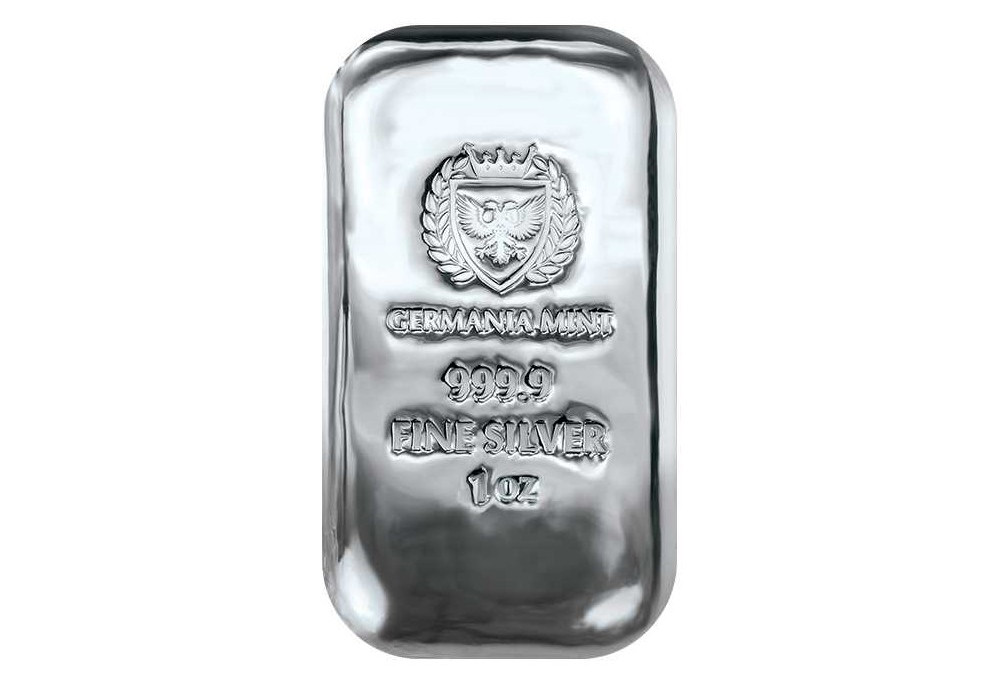
Silver bars are popular with investors who want to accumulate metal rather than collect specific coins. Larger bars often have lower fabrication premiums per ounce than smaller products, although the exact saving varies by dealer and market conditions. They can suit buyers focused on accumulating ounces efficiently.
The disadvantages include storage requirements and potentially less flexibility when selling only part of a holding.
Physical Silver Coins
Investment grade silver bullion coins are another popular option. Recognised coins may be easier to identify and trade, depending on the local market. They may appeal to investors who prefer smaller units that can be sold individually.
However, coins often have higher premiums than larger bars, and some products carry additional collectible value unrelated to the underlying silver content.
Silver Exchange Traded Products
Some exchange traded funds or products provide exposure to silver without requiring investors to arrange personal storage. Depending on the product, the exposure may be backed by physical silver, financial contracts or another structure.
Investors should examine management fees, custody arrangements, tracking performance, liquidity and counterparty risks before investing. Owning shares in an exchange traded product is not equivalent to personally owning bullion.
Silver Mining Shares
Another option is purchasing shares in companies involved in silver mining. These investments can be influenced by silver prices, but company profitability also depends on mining costs, management, debt, operational performance and other business risks.
Silver mining shares therefore do not provide the same exposure as owning silver itself.
Investment method | Main advantage | Main consideration |
Silver bars | Direct ownership, potentially lower premiums per ounce | Storage and resale costs |
Silver coins | Recognisable, divisible physical holdings | Potentially higher premiums |
Silver ETFs/ETPs | Convenient market access | Fees, fund structure and tracking risks |
Silver mining shares | Exposure to mining businesses | Company specific and equity market risks |
A Practical Strategy for Buying Silver During a Price Dip
Buying silver during a market downturn should be a planned decision rather than an emotional reaction.
A structured approach can help investors control risk and avoid unnecessary costs.
Step 1: Establish Your Investment Objective
Decide why you want to own silver.
Are you looking for long term diversification, physical ownership, potential capital appreciation or a combination of these goals? Your objective should determine your buying strategy.
Step 2: Decide How Much You Can Afford to Invest
Only allocate money that is suitable for an investment that can experience substantial price fluctuations. Silver should not replace emergency savings or money needed for essential expenses. Avoid assuming that a short term price recovery is inevitable.
Step 3: Check the Current Silver Price
Review the current market price and compare it with historical levels.
The London Bullion Market Association provides information about the LBMA Silver Price benchmark. Remember that benchmark prices and retail purchase prices are not identical. For buyers outside the United States, exchange rates can also affect the local currency price.
Step 4: Compare Bullion Dealers and Premiums
When buying physical silver, compare more than the headline price.
Check:
Premiums above the silver spot price.
Applicable VAT, sales taxes or other charges.
Delivery, insurance and storage costs.
Dealer reputation and product authenticity.
Whether the product is suitable for investment or priced mainly as a collectible.
A cheaper looking product is not necessarily the best value once every cost is included.
Step 5: Consider Buying in Stages
Trying to predict the exact bottom of the silver market is extremely difficult. Instead of making an entire planned purchase at one price, some investors choose to divide their budget into several smaller purchases.
For example, they may allocate a portion of their budget initially and retain the remainder for later scheduled purchases or further market declines. This spreads entry point risk, although it may produce a worse result than buying in one transaction if silver rises immediately.
It also requires attention to minimum order sizes, postage and repeated dealer premiums.
Step 6: Plan for Storage and Resale
Before purchasing physical silver, decide where it will be stored and how it could eventually be sold. Home storage, secure vault services and dealer storage arrangements each have different costs and risks.
Investors should understand insurance coverage, access conditions and any ongoing fees. It is also worth comparing how easily different products can be resold.
Step 7: Review Your Investment Periodically
Buying silver does not mean ignoring the market indefinitely.
Review whether your original investment reasons still apply, whether silver has become too large a share of your holdings, and whether your financial objectives have changed. A periodic review is generally more useful than reacting to every short term price movement.
Common Mistakes to Avoid When Buying Cheap Silver
A lower price can attract buyers, but several mistakes can undermine the potential benefits.
Mistake 1: Assuming silver cannot fall any further. A metal that has already experienced a substantial price decline can continue falling. There is no guaranteed price floor.
Mistake 2: Investing all available savings. Silver prices can be volatile, and physical metal may not be immediately saleable at an attractive price when cash is needed.
Mistake 3: Ignoring premiums and taxes. The difference between the spot price, purchase cost and resale value can significantly affect profitability.
Mistake 4: Buying from an unreliable seller. Precious metals buyers should prioritise reputable dealers, transparent pricing and verifiable products.
Mistake 5: Expecting a quick profit. Silver can experience long periods of weak or negative returns. Even a fundamentally attractive purchase may take years to deliver a positive result.
Mistake 6: Using excessive leverage. Borrowing money or using highly leveraged products can magnify losses and may force a sale at the worst possible time.
Mistake 7: Believing every bullish silver prediction. Dramatic price targets can attract attention, but forecasts should be examined critically and never treated as guarantees.
A sound buying strategy focuses on affordability, transparent costs, measured risk and realistic expectations.
What Is the Long Term Outlook for Silver?
The long term outlook for silver reflects a combination of investment demand, industrial consumption, mining production and global economic conditions.
Silver's use in electrical infrastructure, automotive technology and electronics may provide important sources of future demand. At the same time, improvements in manufacturing efficiency, substitution, changes in consumer behaviour and economic slowdowns can reduce demand in some sectors.
On the supply side, the economics of primary and by-product mining, recycling and available inventories will continue to influence market conditions.
The Silver Institute's World Silver Survey 2026 provides evidence of a recent period in which global silver consumption exceeded new supply. This is a factor worth monitoring, but it should not be interpreted as proof that prices must rise.
Ultimately, no investor can know with certainty where silver prices will be in one, five or ten years.
The strongest long term buying case is therefore not based on predicting a particular future price. It is based on acquiring an appropriate quantity of silver at a reasonable overall cost, with an understanding of both the potential benefits and the risks.
Final Thoughts: Is a Falling Silver Price a Buying Opportunity?
Buying silver when prices are low can be an attractive approach for investors who believe in the metal's longer term prospects and are comfortable with its price volatility.
A lower purchase price can mean acquiring more silver for the same budget, potentially reducing the price required to achieve a future profit. Silver's industrial applications, investment demand and supply characteristics give investors several factors to consider when assessing its potential value. However, a price decline is not proof that an asset is cheap. Market fundamentals can weaken, prices can fall further and buying costs can materially reduce returns.
The key is to buy silver because the price, costs and long term investment case make sense together, not simply because the price has fallen.
If you are considering adding physical silver to your holdings, compare bullion bars and coins, check live prices and premiums, and choose a reputable seller whose terms you understand. A patient, researched and disciplined approach can help turn periods of lower silver prices into better informed investment decisions.
FAQ
Is buying silver when the price is low a good investment?
Buying silver at a lower price may improve potential long term returns by reducing the initial purchase cost. However, silver prices can fall further, and any investment decision should account for market conditions, premiums, taxes and personal risk tolerance.
How do I know if silver is cheap?
Compare the current silver price with historical prices, the gold to silver ratio, supply and demand trends, and the total retail purchase cost. No single indicator can reliably determine whether silver is undervalued.
Should I buy silver after a price crash?
A sharp price decline may create an opportunity, but first consider why silver has fallen and whether the longer term investment case remains sound. Buying in stages can reduce reliance on choosing one entry price, although it does not prevent losses.
Is physical silver better than a silver ETF?
Physical silver provides direct ownership of metal but involves premiums, storage and resale considerations. Silver ETFs or ETPs may offer easier trading but introduce product fees and structural risks. The better choice depends on your objectives.
What is the best way to buy silver gradually?
One approach is to set a fixed budget and purchase silver at regular intervals. This spreads purchases across different prices, but physical buyers should consider dealing premiums, minimum order sizes and delivery costs.
Does silver usually rise when inflation increases?
Silver is sometimes used as a potential hedge against inflation, but its price does not consistently rise when inflation increases. Interest rates, economic growth, currency movements and investment demand can have substantial effects.
What extra costs should I consider when buying silver?
Consider dealer premiums, applicable taxes, delivery, insurance, storage and the spread between purchase and resale prices. These costs can make a significant difference to your investment returns.
Can silver prices keep falling after I buy?
Yes. Silver is a volatile asset, and prices can continue falling even after a substantial decline. Investors should avoid relying on a quick recovery and only commit money appropriate for their financial circumstances.
Disclaimer: This article is for general educational purposes and does not constitute personalised financial or investment advice. Precious metal prices can rise or fall, and investors may receive less than their original investment. Tax treatment varies by country and personal circumstances. Historical performance is not a reliable guide to future returns.


